Blog Feed

Tips for Setting Goals

Its the start of a New Year Igniters and you’re probably reflecting on everything that’s happened in the past year while you consider plans you want to make for this year and all the things you want to achieve. Setting goals is an important step to getting what you want and getting where you want to be. Of course, simply writing your goals down is not enough to achieve them. There are a few important things that you need to keep in mind when you’re setting goals. Here are things to keep in mind when setting your goals to make them more achievable.

Forget the past

This simply means: Don’t think too hard about past goals that were not achieved. This will only discourage you from making new ones now. There could be many reasons you didn’t achieve the goals you wanted to in the past. Perhaps you didn’t have the resources or perhaps you were just not prepared. This doesn’t mean that you have to throw those goals away. When setting your goals this time for 2023, treat it as a clean slate and a fresh start. And whether you’ve achieved them in the past or not, if you have a goal in mind that you really want to achieve, put it on your list.

Be Specific

One of the most important things to consider when setting goals for yourself is to be specific about them. Try to narrow your goals down as much as possible. For example, saying “I want to be the best at everything” is a great goal, but because it is such a broad goal, achieving it can seem impossible. Yes, you can definitely be the best at many things, but you need to start somewhere. So you could perhaps narrow that goal down to something like: “I want to become a really good chess player by June”. That’s a much more specific goal; with a timeframe. It also gives you a better idea of where to start because you know exactly what you need to do – which is to start practising chess. This is just one example but I’m sure you get the idea. Being very specific about the goals you want to achieve makes them more achievable.

Are they obtainable?

Set goals that are achievable and are tangible in the short-term as well as the long-term.Don’t set goals that you know are unrealistic because then you know you’re setting yourself up for disappointment. When you set a goal, consider whether there are achievable steps to achieving them in the short-term. Are you able to get the resources or funding you need, if you need them? If some of your goals require help or support, do you know people who can help you? If you want to learn a new skill, do you know a school, person, or a programme that can help? Knowing these things ensures that you’re better prepared when you start working to achieve your goal.

Keep track of time

Having a time-frame set for yourself to achieve your goals gives you better perspective on how close you are to accomplishing them. Working with a time-frame also allows you to organise everything or prepare what you need to in order to make your goal a reality –  and also makes you a lot more disciplined so that you don’t stray away from achieving your goal.

Start with the smaller goals

When you do start taking the necessary action to achieve your goals, start with the smaller ones – the ones that are easiest to achieve. If you start with the bigger, harder ones, you might be discouraged if you don’t achieve them. However, starting with (and achieving), the easiest ones first will encourage you to keep going. Also, to start setting up smaller goals to help you achieve your bigger goal is a great way to keep track of your progress in achieving your big goal.

Setting goals for yourself is a smart thing to do so I encourage you to go for it. It’s important, in life to know what you want and to take the necessary steps to achieve it. Never stop setting goals and trying to reach higher for your own happiness. No matter how far you get in life, there will always be more you can achieve – whether it’s goals to further success, happiness or peace. And it doesn’t matter what you have or where you are in life, anyone can create goals they can achieve. All the best Igniters!

Becoming financially independent

Being financially independent means that you’re completely responsible for your own expenses, or no longer rely on your guardian/partner to give you money or cover some of your bills. Financial independence can mean different things to different people, but it’s important for young people to work towards being independent and empowered to make our own life decisions. Here’s how.

Assess yourself

Learning about ourselves isn’t always easy. But the more you know about yourself, the better decisions you’ll make about your lifestyle. Start by evaluating your skills and achievements. This can help you decide on ways to make income, such as finding a job (part time/full time) or starting a business.

Examples of part-time jobs could be a shop assistant, waitress or a part-time bank teller, to name a few. Also, working part-time will look good on your college/university application and future job applications.

Set financial goals

Writing down your life goals and how you’ll achieve them financially is a good step. This includes re-writing and reviewing your short- and long-term goals consistently, and thinking of ways to accomplish them. For example, short-term goals can be focusing on debt payment and a long-term goal can be budgeting towards a house or car. It’s important to be patient when reviewing your long-term goals.

Draw up a budget

Budgeting is a must. It can help you control your spending, track your expenses, and save more money. Budgeting can also help you make better financial decisions, prepare for emergencies, get out of debt, and stay focused on your long-term financial goals.

Try not to be too hard on yourself when trying to stick to your monthly budget, because there may come a time when you may need to tap into your savings for something important.

Start saving now

Financial planners always say it’s important to save 10% of your income for future needs, for emergencies, and to have something to fall back on when needed. Saving isn’t easy, and requires a lot of discipline to stay on track, but it’s the single most important habit that’ll change your life. It doesn’t matter how much you earn; putting a portion aside will start building your savings. Learning to save early in life will help you achieve your goals much quicker, and get you financially independent.

Be disciplined

Although it’s a good idea to have some spending freedom now and then, having financial discipline allows you to distinguish between healthy and unhealthy spending. Automating your savings helps you avoid the temptation to spend your money on things you don’t need. You can talk to your bank about automating your savings. 

Organising and planning our finances is vital. We need to have a healthy relationship with money so we can be mindful of where our income goes, and also be able to plan for the future. Following these simple tips will help you become more financially independent. Do you have any other tips? Share them in the comments!

Pregnancy scare? Here’s how to avoid it.

The thought of dealing with an unplanned pregnancy can be very stressful, especially if you’re not ready to become a parent. Whether you have thought you were pregnant once or many times (when you actually weren’t), the scary experience is all the same. Here’s how to avoid a pregnancy scare in the future. 

Use a contraceptive

It doesn’t matter whether you want to use a short-term or long-term contraceptive method but the best way to avoid a pregnancy scare is to use one. Remember, contraceptives may prevent an unwanted pregnancy, but you’re still at risk of contracting STIs, including HIV. So always use a condom. 

Avoid stress

Being stressed can be one of the reasons you miss your period. Not only does stress affect your menstrual cycle, but being stressed for too long can actually make you sick. One way to manage your stress levels is through meditation. Read this article to learn how.    

Download Sexual Health Apps 

Having sexual health apps on your phone can help you track your cycle easily. It’s not always easy to keep track of when your cycle is meant to start or end, but a period tracker will help you stay on top of that – that way you won’t assume your period was meant to start when it wasn’t Having these apps on your phone will help give you a realistic schedule for your menstrual cycle. If you can’t’ download the app, you can simply create a calendar, stick it on the wall and track your period each month. 

Understand your PMS Symptoms

PMS symptoms usually occur a week or two before your period and they are similar to pregnancy symptoms. This make it highly possible to mistake your PMS symptoms with pregnancy symptoms. Try to keep track of your usual pms symptoms so that you know what to expect every time your period is about to come around. 

Being extra cautious when you are sexually active is responsible and it can save you a lot of sleepless nights. Pregnancy scares are normal and everyone goes through it at some point or another. But taking the time to understand your body while taking precautions to avoid pregnancy can help decrease the amount of stress you have every time you ovulate.

What is Africa Vaccination week?

Africa Vaccination Week is celebrated each year, in the last week of April. This week aims to promote the use of vaccines to protect us against diseases and illnesses. Here’s more. 

What is vaccination?

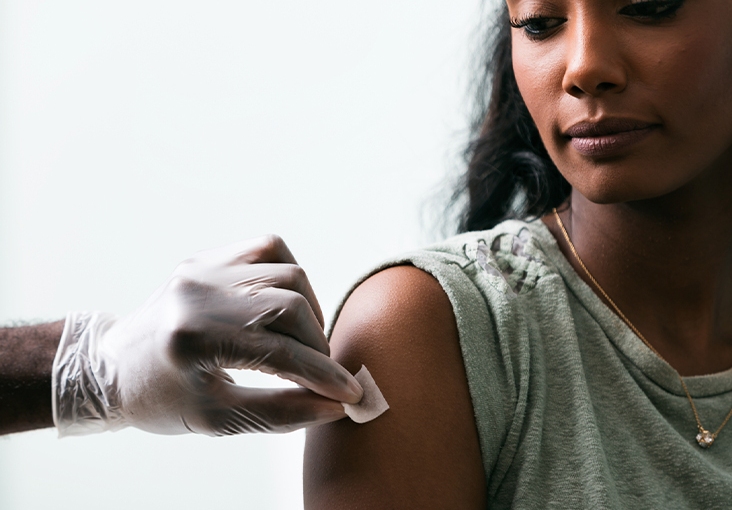
Vaccination is a simple, safe, and effective way of protecting people against harmful diseases before they encounter them. It uses your body’s natural defences to build resistance to specific infections, and makes your immune system stronger. Most vaccines are given by an injection, but some are given orally (by mouth) or sprayed into the nose.

The World Health Organisation (WHO) works with countries across the globe to raise awareness about vaccines and immunisation. They not only ensure that vaccines are safe and effective, but that governments in all countries obtain the necessary guidance and support for vaccination.

Why get vaccinated?

Simply put, getting vaccinated is the best way to protect ourselves and those around us. Not everyone can be vaccinated, including very young babies, those who are seriously ill or those with certain allergies. This vulnerable group of people therefore depend on others being vaccinated to ensure they’re also safe from vaccine-preventable diseases. Vaccination is safe and its side effects are usually minor and temporary. You can always talk to your healthcare provider about possible side effects and any other information you may need before getting vaccinated.

As the COVID-19 pandemic continues. It’s important that we encourage each other to get our vaccine shot and discourage myths. All COVID-19 vaccines available, have been shown to be safe and effective at preventing severe COVID-19 infection. Getting vaccinated also protects our loved ones and those around us, particularly people at increased risk for severe illness from COVID-19.

Have you been vaccinated as yet? Comment down below, reasons why you’ve gotten vaccinated. Let’s encourage those around us.

Follow this link to find a vaccination site near you: https://eswatinihealth.org/schedule-facilities/

How to prepare for your next clinic visit

Going to the clinic can be overwhelming, especially if you’ve experienced challenges or uncomfortable situations in the past. Here’s how to be better prepared for your next visit.

New patients

If you’re a new patient at clinic, you’ll need to take your ID with you on your first visit. You must provide your ID details to reception so they can open a medical folder for you. You’ll also need to provide the following details:

  • Your home address
  • Proof of address (for example a bank statement, however, if you can’t provide this, a verbal address will also be accepted)
  • Your contact number
  • Details of your next-of-kin (e.g., family member)

Returning patients

If you’re an existing patient, you’ll need to produce your clinic card. If you’ve lost the card, you’ll be issued with a new one once your details are retrieved from the system.

Waiting time

It’s important to remember that not all cases are equally urgent, so take note of the waiting time at your local clinic. When arriving at a clinic, you’ll be assessed by a healthcare worker and given a colour or placed in a line corresponding to how severe your condition is. It’s best to go as early as possible and take a book or your earphones to keep you occupied while waiting. Remember to wear comfortable shoes.

Some services at clinics will require you to make an appointment. To help reduce your waiting time, state the reason for you visit to the administrative staff and they’ll direct you to reception. There, you’ll be asked the reason for your visit depending on the service required, and the clinic will give you a date and time for your appointment.

Referrals

Once you see a healthcare provider, your condition will be assessed and treatment will be determined. If you need a follow-up or specialised care, the healthcare provider will write you a referral letter. Although public facilities are free, it’s important to enquire about any fees you might be charged for your treatment, especially with specialists.

If you’re still overwhelmed by the process, feel free to DM me- I’ll give you advice and info on youth friendly facilities near you.

Thinking of starting a contraceptive?

There are different choices when it comes to contraceptives, but not all methods are right for everyone. Your decision on the type of contraceptive you’d like to use is personal. You should carefully weigh the factors, risks, and benefits, along with the effectiveness of each method before starting birth control. Here’s more.

Factors to consider when choosing a contraceptive

Your age and health history.

Your reproductive goals, as well as whether or not and how soon you’d like to get pregnant.

Relationship factors such as marital status, number of sexual partners, and partner preferences.

Religious beliefs.

Differences between birth control methods, including how effective they are at preventing pregnancy, side effects, availability at clinics near you and costs.

Types of contraceptive methods

Barrier methods– An example of a barrier method is the male and female condom as well as the diaphragm, cervical cap and contraceptive sponge.

Short-term hormonal methods– these include birth control pills, the vaginal ring, patch and injection. These are considered short-term methods because you must remember to take them on a daily, weekly, or monthly basis.

Long-term methods – these include the hormonal and non-hormonal IUD and implant. They’re considered long-term methods because they can last for 3 to 10 years after insertion, depending on the device used.

How effective are contraceptives?

To be effective, any method of contraception must be used consistently and correctly. Contraceptives that require little effort on your part, such as IUDs and implants, are associated with lower pregnancy rates. Methods that require monitoring such as the pill and injection, are associated with higher pregnancy rates. If you’re on a short-term contraceptive method, it’s important to follow your healthcare provider’s instructions on how to take the contraceptive (eg. at the same time every day).

Your options

The method of contraception you choose depends on your reproductive goals. Depending on if and when you want to fall pregnant (after stopping contraception), your healthcare provider will be able to advise on the best contraceptive for you.

If you’re certain that you don’t want to get pregnant at any time in the future, you may prefer a permanent method, such as sterilisation. 

What are the side effects?

Some contraceptives, particularly hormone-based contraceptives, can cause side effects. When choosing a birth control method, talk to your healthcare provider about possible side effects and how they might affect your choice.

Other benefits

Some contraceptives provide benefits for some people, such as reducing acne, making your periods lighter and more regular, and easing menstrual cramps. If these benefits are important to you, they may influence your choice of birth control option.

It’s important to choose a type of birth control that suits your lifestyle. The best method of birth control for you is one that’s safe, comfortable to use, and that you can use consistently and correctly. Remember that not all contraceptives protect against STIs. To make sure you’re protected, you need to use condoms in addition to the contraceptive that you decide to use.

Emergency contraception

Emergency contraception is contraception that can be taken when you have had unprotected sex –through a condom breaking, sex without a contraceptive or condom or if you have not used your contraception correctly (forgotten to take a pill or have not had your injection on the date given to you). 

There are two types of emergency contraception: The emergency contraception pill (also known as the morning-after pill) and the IUD. Both can prevent pregnancy after unprotected sex if used within 5 days, but the sooner the better.  

How do they work?

The emergency contraception pill makes sure that your body is unable to become pregnant. It works by stopping or delaying the ovaries from releasing an egg. This pill has hormones that are similar to oral contraceptives, but have a much higher dose. It also works by changing the lining of the womb to stop a fertilized egg from being implanted. The IUD prevents fertilisation. 

When should I take emergency contraception?

The sooner you use emergency contraception after unprotected sex, the better your chances of preventing pregnancy.

You can use emergency contraception up to 5 days (120 hours) after unprotected sex but the sooner you use it, the more effective it is. 

Where can I get emergency contraception? 

You can get emergency contraception from your clinic, from some pharmacies and from your doctor. 

Fast facts to know:

  • Emergency contraception is to be used when: a condom breaks or slips off during sex, another contraceptive method has been defaulted on (e.g. forgot to take pill, missed injection) and in cases of rape.
  • This pill can be taken up to 3-5 days after you have unprotected sex, but it is most effective when taken after 72 hours (3 days).
  • It can be found your local clinic and can be purchased at most pharmacies.

Remember, if you have had unprotected sex, you may also be at risk for HIV and STIs, so discuss what to do with your healthcare provider.  

Your healthcare provider may recommend PEP which is medication you take after possibly being exposed to HIV

Prioritizing your safety and health this festive

Prioritizing your safety and health this festive

I couldn’t end off 2021 without giving you a final health and wellness check-in. Here’s how you can prioritise your health and safety this festive.

Get your COVID-19 jab

The COVID-19 vaccine rollout has been available in Eswatini since the beginning of the year, and anyone from the ages of 18+ years can now get the COVID-19 shot. The vaccine is not only safe and effective but protects yourself and those around you from falling seriously ill from the virus.

The quicker we all vaccinate, the sooner we can go back to our normal lives pre-COVID. Here’s how to register for the vaccine.

Stick to your healthcare routine

Regular health screening such as HIV testing, STI screening and reproductive health check-ups (pap smear, breast cancer screening), including chronic treatment shouldn’t be put on hold during the festive season. Remember, you can stock up on treatment for up to three months so speak to your healthcare provider about this option.

Practice safe sex

Your sexual health is your responsibility, so don’t take any risks by allowing yourself to be in the heat of the moment with your sexual partner, without protection. Make sure you carry condoms at all times. It’s not the responsibility of only one partner. You should also consider the dual method to avoid both unplanned pregnancy and STI/HIV infection.

Avoid drinking and driving

If you’re planning to go out and have fun, avoid over-indulging. You want to be in total control of your mind and your decisions, so try not to drink to a point where you’re unable to control your actions. You should also stay away from other drugs as they can also affect your ability to make informed decisions. Getting drunk or high to the point of passing out can also make you an easy target for sexual predators.

There’s an increase in accidents and fatalities during the festive season due to drinking and driving. I encourage you to avoid drinking and driving or getting in a car with someone under the influence.

Get the rest you need

The festive season is an opportunity to rest as much as we can, taking a break from all the assignments, exam stress and work. Remember to rest your mind as well. Take some time out to do mindfulness exercises, such as mediation. These are great for relaxing and unwinding.

You’re responsible for your health and safety, and you need to take extra measures to make sure you end 2021 on a healthy and safe note. Stay safe, Igniters!

What is pandemic fatigue?

What is pandemic fatigue?

Living through a pandemic can take its toll on our physical and mental well-being. As the weeks go by under lockdown, many of us have experienced a rollercoaster of emotions and feelings, from sadness to anger to tiredness. This is known as ‘pandemic fatigue’. Here’s all you need to know about it.

What is pandemic fatigue?

Pandemic fatigue is the exhaustion you may be feeling after spending over a year dealing with our new life and all the struggles that come with it. You may have lost loved ones, jobs, missed out on experiences and life milestones, like graduations, weddings, and funerals.

You may feel cooped up or cut off from your usual hobbies. You may even be tired of the safety protocols that take extra time. You may also be missing family and friends that you haven’t been able to visit due to the lockdown. All these feelings contribute to pandemic fatigue.

How to overcome pandemic fatigue:

Reflect and accept

Take time to check in with yourself and reflect on how you’re doing. If you feel irritated, impatient, angry, or are suffering from fatigue, accept that all these responses are normal and understandable during such a difficult time.

Monitor your social media

Limiting the amount of time you spend on social media can help reduce feelings of tiredness. Purposely tuning in to negative stories on TV or on social media fuels fear, uncertainty, anxiety, and fatigue.

Be compassionate with yourself

Don’t expect perfection and don’t get stuck in mistakes or missed chances. Nobody prepared us for the pandemic. We’re all taking it one day at a time, and it’s completely fine if you don’t have all the answers or always know what to do.

Prioritise self care

Since we’re spending most of our days at home due to the lockdown, it’s important to make sure we take care of our physical and mental health. You can do this through exercise and active self-care, as well as staying connected with friends virtually and online. As a wise person said, we isolate now so that no one is missing when we get together.

We’re living through a period of increased anxiety over our health, vulnerable loved ones, finances and job security. With the future looking uncertain and the public instructed to stay at home, many of us are feeling isolated and stressed. If you’re finding it difficult to cope with anxiety reach out to me.

Pandemic fatigue is real, and the way it affects you may not be the same for a friend or family member. Although it seems hard, we need to find a way to respect these new boundaries, but still live the version of life we’re used to.